
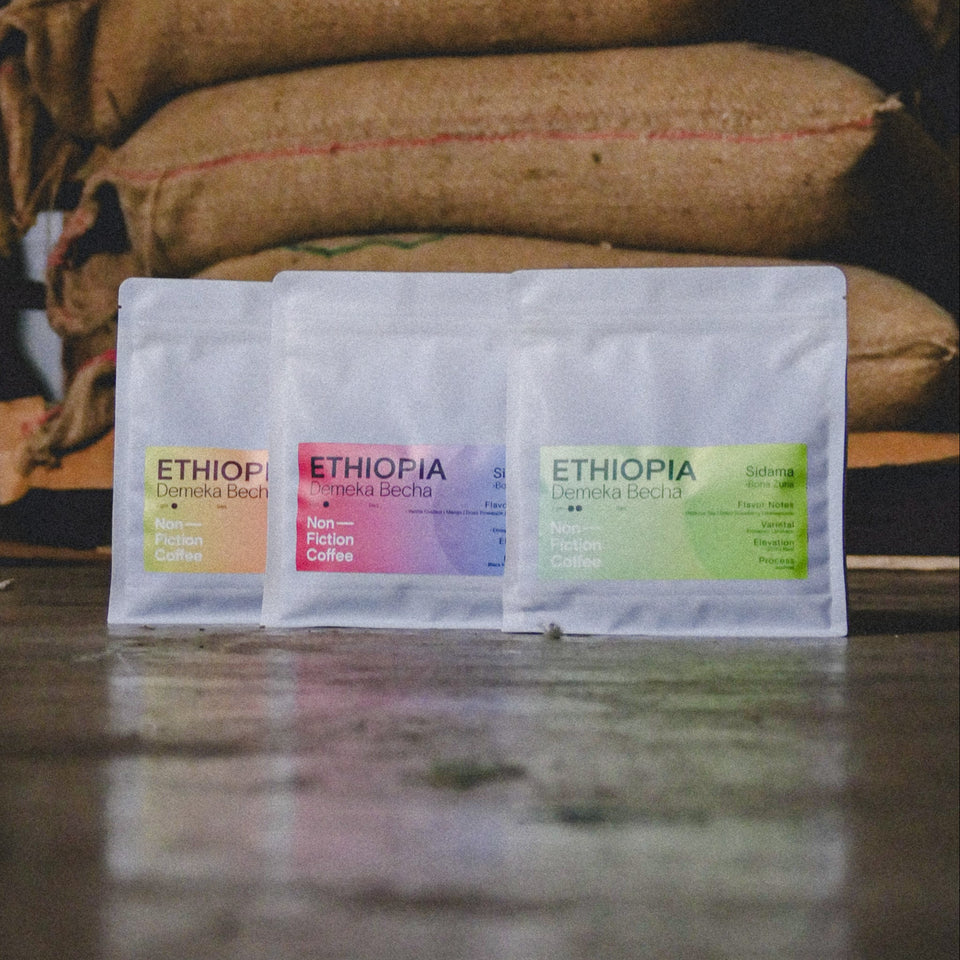
Demeka Becha - Processing Bundle (Washed, Red Honey, Black Honey)
$30.00
This bundle is a showcase of how different approaches to processing can impact a coffee's overall profile, and a celebration of exceptional processing can challenge our understanding of coffee's flavor potential. We recommend tasting these coffees, at least initially, in order of their processing.
- Demeka Becha - Washed
- • Hibiscus Tea | Dried Strawberry | Honeycomb
-
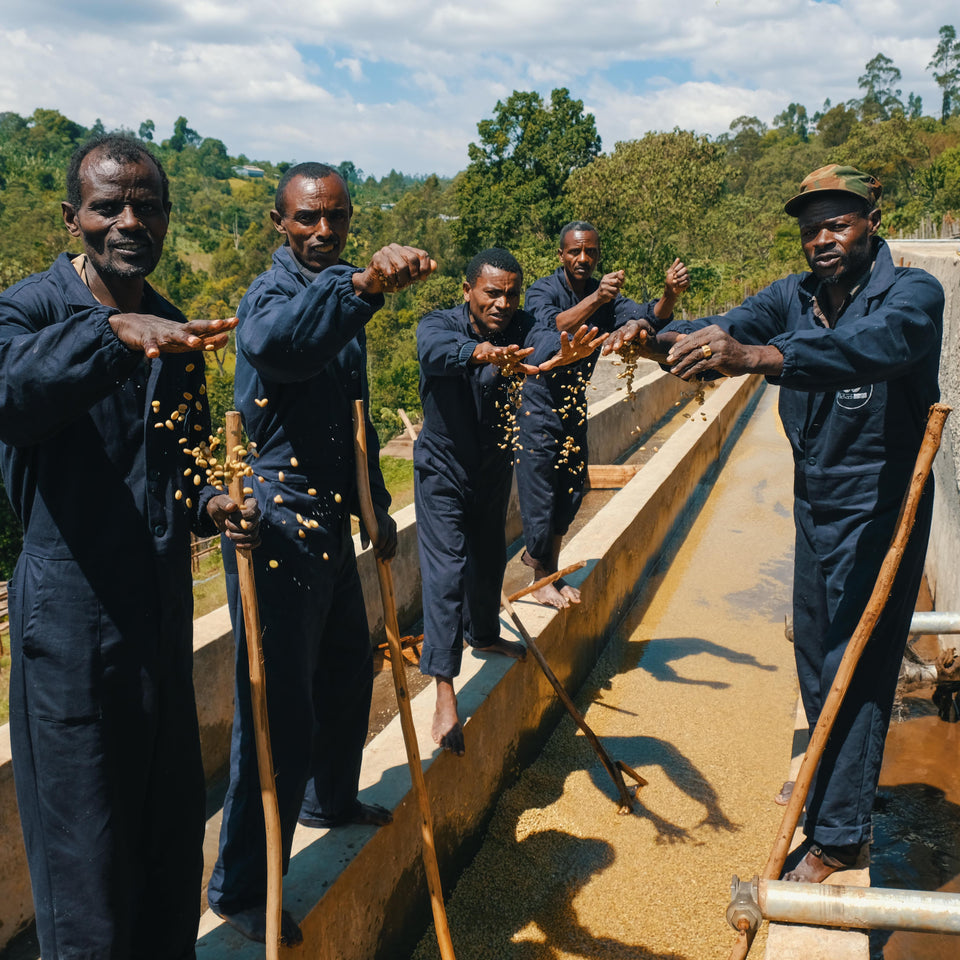
- Beginning with the cleanest and "purest" representation of Demeka. Following the depulping of the whole cherries, the coffee is placed into large fermentation tanks where the mucilage is broken down by naturally occurring microorganisms and enzymes, for 24-72 hours. The seeds are then put into clean water channels where workers will agitate them with wooden paddles to break up any remaining mucilage. To complete the washing/cleaning phase, the coffee is then soaked for 6-12 hours before finally being placed onto raised beds where they will be carefully monitored for 9-11 days, sorting through and turning over the coffee to ensure even drying and removing any remaining defects.
- Demeka Becha - Red Honey • Cherry Limeade | Lavender Honey | Raspberry
-
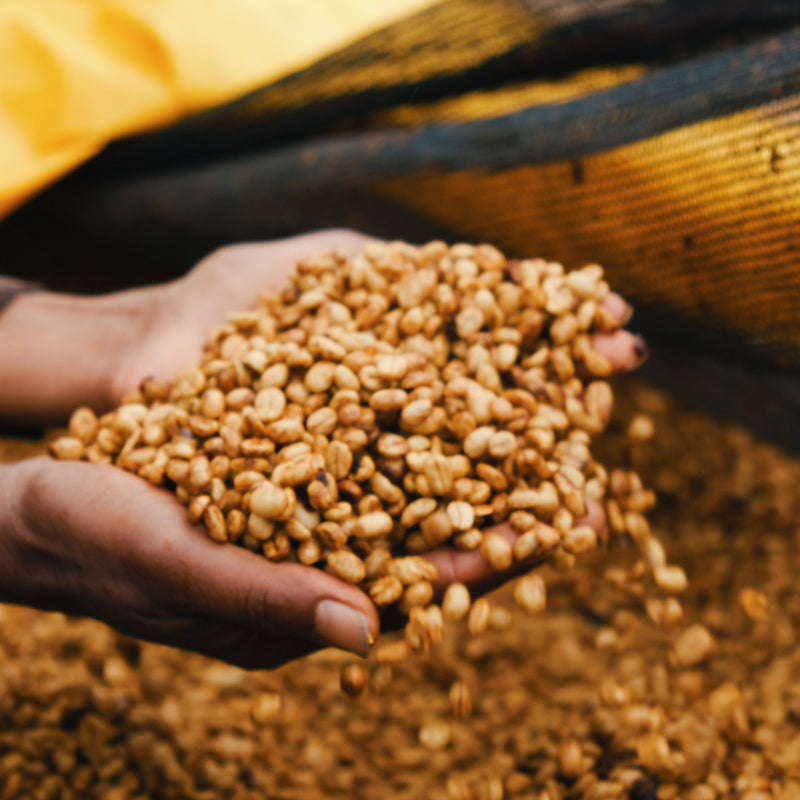
- Where the washed coffee is rigorously cleaned, the honey process seeks to leave as much mucilage on the seeds before and after fermentation to make its mark on the cup profile, leading to juicier and sweeter representation. The coffee goes directly from the fermentation tanks to the drying beds and is dried with the fermented sticky mucilage still covering the seeds. An extra attention to detail is needed here to ensure even drying.
- Demeka Becha - Black Honey
- • Vanilla Custard | Mango | Dried Pineapple | Peach Cream
-
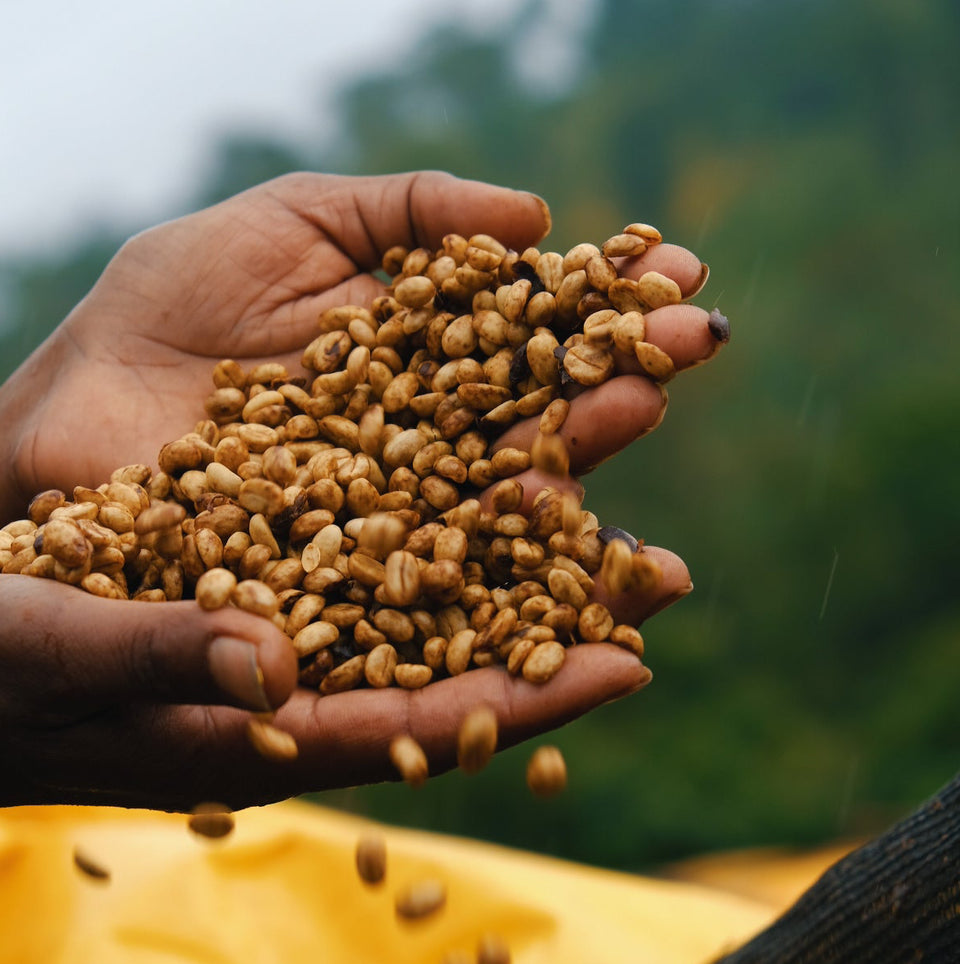
- Finally, the color distinction in honey processing refers to the amount mucilage that was left on the coffees and the impact that has on their final hue, after drying. So the black honey would have the most amount of mucilage remaining during the drying phase which results in a finished product which is darker in color and deeper in its flavor complexity. This is where you would begin to notice more characteristics that are similar to naturally processed coffees, given the level of fruitiness and wild flavors that are present.